Since its inception, metal remained a bit of an odd outsider in music. Loud, aggressive and extreme in its sound and imagery it is easy to dismiss as adolescent folly you eventually grow out of. Except when you don't.
Metal is... different
Because it sets itself apart so strongly from the majority of other styles, it is by default easy to misunderstand, avoid and straightaway dismiss. Its relatively easy to put together a top-50s-playlist for a party, that most people would get along with, despite it probably being composed of quite a variety of different styles. Generally speaking, you wont find lots of complex rhythms or lengthy instrumental passages or strong contrasts in dynamic or speed. Of course that's all the stuff is what actually makes metal so appealing!
Surely, not every metal song ticks all of these boxes, but by far and wide, metal has always been a bit of a more complex, or at least challenging musical beast (pun intended!), than the standard chart fare. It requires dedication from its listeners. Especially once you delved into its more obscure variants; some of you can call acquired tastes! Metal has a rich and cherished history, and a ton of genres and sub genres. In a sense its probably the best religion one can have!
Neurosis - Times of Grace (1999)
Not the cool kids
Right from its beginning, the relationship between metal and music critics - and actually society as a whole - has been a rather difficult one. Of course the critics 'didn't get it' when it came out and continued to dismiss or simply ignore it for a long time. The strong brush strokes of heavy guitar riffs and hard hitting drums made it too easy to dismiss as primitive, untalented and blunt. Still, metal found its fans in pretty much all parts of the world.
Black Sabbath - Sabbath Bloody Sabbath (1973)
I admit it feels weird to see bands like Black Sabbath, Iron Maiden or even an obscure underground formation like Electric Wizard or Mayhem suddenly getting featured in mainstream media sites. They even get positive reviews!
It literally took decades really until metal received some mainstream recognition and I wonder if its simply because it kept sticking around long enough and became part of life for so many people, so it could not be ignored anymore. And in the case of a band that has literally been around said decades, there is no way denying them their cultural significance.
Iron Maiden - The Book of Souls (2015)
Metal as a whole might still not quite be liked, or even understood, though. I also think this has a lot do with demographics. Metal never was the socially most accepted music and had always this underdog vibe to it. This working-class, biker, pub and open-air festival smell that is light years away from the hip urban clubs and concert venues, frequented by the typical middle-class music journalist.
You want it darker.
Darkthrone - Under A Funeral Moon (1993)
The typical themes metal keeps coming back to probably haven't helped its cause either. Lyrics and artworks that deal with death, destruction, war, drug abuse, apocalypse, murder, insanity, corruption, etc - all those dark themes of society and life in general that doesn't makes it terribly appealing for the majority of people. Then again, its exactly this dipping into the dark side of things that's for a large part what makes metal so interesting. It doesn't pretends the world is all fluffy nice and sweet and good. Metal fully acknowledges that the world can be a cold and cruel place - and a lot of it is mankind's own doing.
Slayer - Reign in Blood (1986)
With this in mind, it isn't surprising that a lot of the inspiration that led to the creation of metal initially came from horror films and the way they play with stark themes and emotions like fear, anxiety and aggression in a controlled and safe way. In a way, this can be quite cathartic really. A crossing of boundaries that probably plays a significant role personal development towards adulthood. No surprise that both horror films and metal seem like naturally attractive to adolescent audiences.
Electric Wizard – Wizard Bloody Wizard (2017)
The flip side of this is the affinity to power fantasies, which are probably just as prevalent in metal. A lot of it is Tolkien or Robert E Howard-inspired, with lyrics full of glorious battles, manly men, mighty swords, heroic deeds and things like that. Deliberate escapism, cranked up to the maximum and often even further: deep into the realms of kitsch and comedy. Not everyone one's taste for sure, but then again - what is?
Blind Guardian - Nightfall In Middle-Earth (1998)
Who do you call Bastard?
Metal's influences are quite divers and at least partly surprising. There is of course hard/heavy rock, where metal directly evolved from. Especially bands like Led Zeppelin and Deep Purple had a big influence. Their hard, often fast, riff-based songs with extensive guitar solos and, at least in Deep Purple's case, a good measure of classical influences have inspired generations of musicians. If you say hard rock, you have to say blues. It is inseparably part of the composition, rhythm and melodic language of all rock music. Often just speed and heaviness of the sound turned an old blues standard into a hard rock hymn. Just ask Led Zeppelin!
Deep Purple In Rock (1970) - Not quite metal, but highly influential.
Metal did a couple things different though: Heavier in tone; rhythmically and in its song structure more straightforward than its predecessor. Film music was another inspiration. The intense use of contrasting intervals to create tension, the theatrics and more strict composition than the often quite loose style you find it rock music. Metal was always more extreme. Pushing intensity and aggression further than their predecessors ever did.
Rock 'n' Roll, Metal, Hardrock? All of the above! Motörhead (1977)
The evolution of the equipment, especially the electric guitar, played a big role as well. The deliberate creation of distortion of the guitar signal in the 1960s, initially just an unwanted byproduct of increased volume in a tube amplifier, blew the doors into a new world of opportunities wide open. Soon effects were developed that allowed the player to modify the guitar tone even further. The guitar turned from a relatively tame and clear sounding instrument, heavily influenced in its tone by its acoustic predecessor, into a biting, screaming and growling beast. And the players able to control it, became heroes.
Sexy like a fallen angel: Jimmy Page in 1973
With those new possibilities in tone and volume, the playing style evolved too. Soon guitarists realised that, when distorted, relatively simple chord shapes (power chords) and single notes do sound a lot more interesting than when played clean. Notes also sustain a lot longer and even muted notes develop quite a notable, percussive 'chuck'. Soon amps that allow more gain got developed and pedals that made the guitar signal 'hotter' too, making distortion more controllable and further refining and expanding the range of possibilities. All these elements led to the development of new rhythmic and melodic ideas, that created the metal guitar sounds we know today.
Metal is... so much!
Tool - Lateralus (2001)
Browsing through this little attempt in exploring the origins and the nature of metal, I feel that if there is one thing to take away from it, is that metal is indeed a quite unique cultural phenomenon. Surprisingly long-lived, with passionate, dedicated followers. It is a vast genre. Complex and emotional and speaks to our innermost feelings. Metal is more than just music.
Rainbow's third studio album and the last one with Ronnie James Dio. In retrospect, it's the end of an era: Blackmore, who usually changed almost the whole band lineup between albums anyway, would continue with almost completely new personnel into a much more radio-friendly direction, before eventually disbanding the band in favour of a (quite successful, yet ultimately doomed) reunion of Deep Purple. He would never again release as bold, aggressive and progressive music as he did in the second half of the 70s. What a pity!
Where Rainbow initially not that much liked, and didn't really drew large crowds to their concerts, in retrospect they are one of the defining bands of the emerging heavy-metal genre. Speed, precision, epic lyrics and operatic vocals underlining the classically inspired melodies - Rainbow got it all.
However, compared to their 1976 masterpiece Rising, Long Live Rock and Roll is often seen as the lesser record. I disagree. Rising might been more complex and longer, or more progressive, as one might argue^^ but its successor is just that bit more accessible and compact, has more memorable riffs and - thanks to its more diverse songwriting - feels more engaging. Rising might been a relentless full throttle-trip from start to finish, but Long Live... gives you that little breather from time to time that makes its punches hit you even harder when they come.
And gods, punches it gives. From its cheerfully kickass opening track to the mystical and oriental Gates of Babylon, to the speedmetal powertrip Kill the King, the album has some of the best songs and riffs the band (or Blackmore himself actually) has ever written. Just blisteringly played (and I'm sure some actual blisters were involved), with a vocal performance by Dio, that once again can only be compared to singers like Robert Plant, Rob Halford and Ro... Ian Gillan on top of their game.
It's a shame that this should be the last Rainbow album with Dio's involvement and the band's last straightforward hard-rock album, until 1995's Stranger in Us All. The albums after him were not bad, but too often too streamlined for chart-appeal and too restrained even in their wilder-moments. Luckily for us, Dio stayed true to his style, went straight to Black Sabbath, recorded two stunning albums there, before starting his own project in 1982.
Compared to its predecessor Ritchie Blackmore's Rainbow, Rising cranks it all up to eleven: the sword and sorcery, the heaviness, the complexity and length of the songs, the instrumental performances - it is basically the quintessential record of the Dio-era. Did the first album sound like the band was dipping their toe into a new world of hard guitar-centered music, in Rising they jumped fully into it.
Probably the best example is the epic Stargazer. Everything is larger than life in this song. A miniature-opera about the rise and (quite literal) fall of a wizard who enslaved the people to build him a tower to the stars. The way guitar and vocals are dramatizing the story here works so well and expressive and organic, with both being at the peak of their abilities, that its a pure, uplifting joy listening to.
Might the rest of the album not quite have the same epic dimension, with predominantly fast-paced songs, it is nevertheless spectacular. A good part of this is due to Cozy Powell's dense and varied drumming, which ties the songs together and works as a perfect counterpoint to the stunning performances of the albums main actors, Blackmore and Dio.
I think in hindsight you can see how influential Rising was to 80's metal: The breakneck guitar shredding, the fantasy-centered cover artwork and lyrics, delivered by an almost operatic vocalist and the occasional keyboard flavouring - all these bits became commonplaces in the decade after.
Its just a shame that the band initially wasn't too successful. About five years later, when the world was finally ready for this type of music and bands like Iron Maiden and Manowar filled the venues playing quite similar material, Blackmore had pushed Rainbow into radio-friendly territories instead. Luckily for us, Dio kept on waving the heavy-metal banner high. First with Black Sabbath and later as solo-artist with his own band.
All in all, Rising is definitely a milestone in the evolution of metal and an underrated masterpiece. And even the cover is less eye-watering than the first one!
A lot has been written about Ritchie Blackmore's departure from Deep Purple and the formation of his own project, Rainbow. That he de facto took over the band Elf, which was supporting Deep Purple while touring around that time and had a certain Ronnie James Dio on vocals... So I spare ourselves a more extensive recap. Instead, onwards to the meat and potatoes!
The album begins with Man on the Silver Mountain, which, surely not coincidentally, has some similarities to that one Deep Purple song everyone knows. Just like Smoke on the Water the main riff is played in fourths (quite a trademark of Blackmore and found in a lot of his songs throughout his career) and the song grooves confidently along in the mid-tempo range. Quite radio-friendly actually. But as similar the songs are, Ronnie James Dio's vocal performance adds a more dramatic and operatic vibe to it, than Ian Gillan does. Where Smoke on the Water muses on the very worldly events during the recording of Deep Purple's album Machine Head and even includes their exact location in its lyrics ("We all came out to Montreux..."), Man on the Silver Mountain is more cryptic and evokes mystic imagery and is located very much in fantasy-land. Or Middle Earth.
While there are some more typical rock'n'roll songs as well, namely Black Sheep of the Family and If you don't like Rock and Roll, they appear really as the weaker moments of the album. I often get the impression Blackmore isn't that comfortable playing blues or blues-based material and these songs are showcasing this pretty well. While they are technically flawlessly played, they sound maybe a bit too clinical for their own good. Maybe the band tried to emulate Led Zeppelin here. Not a bad attempt, but they just lack their swagger. And Zeppelin was all swagger really.
(I think Blackmore actually wanted Rainbow to be a mix between Led Zeppelin and Deep Purple, so there you go: Deep Zeppelin or Led Purple, take your pick.)
Luckily for the remainder of the album the band is very much speaking its own language and tries not to sound like anyone else. And to the benefit of the songs: the ballads don't try to be folky or something like that, as Zeppelin did before. Instead they take their inspiration from classical music and medieval tunes. After all, Blackmore is more a Bach- and Beethoven guy. Its quite funny to listen to songs like Temple of the King or Catch the Rainbow, realizing that twenty years before forming Blackmore's Night, he pretty much made already the same music!
Where the album really shines however, is in the hard and heavy end of the spectrum. Namely songs like Sixteenth Century Greensleeves and Snake Charmer. Here the epic fantasy can run freely: liberated from the limitations of 12-bar blues and straight into proto power-metal territory with Dio's heroic voice, heavy drumming, fast arpeggios and punchy riffs. Great songs which heritage can still be heard in today's metal.
As it is typical for a rock band of the 70's, especially with such strong lead personalities as Blackmore and Dio are, the rhythm-section - Craig Gruber on bass and Gary Driscoll on drums - stays consistently in the background. They certainly do a good job and give the songs a very naturally flowing feel while at the same time very competently delivering heaviness, but you can sense they are not the most important members of this band. Same applies to Mickey Lee Soule on the keys. At least he gets a bit of spotlight with his rock'n'roll piano in Black Sheep of the Family. But for vastly the largest part this album is very much a guitar-plus-singer album.
All in all, Ritchie Blackmore's Rainbow is a bit of a mixed bag. It certainly has great moments and historic significance. The two main protagonists Blackmore and Dio can really shine and show off their talents. On the other hand, it feels like the band hasn't fully explored their possibilities yet. Something that would change with their follow-up album Rising.
And yes, the cover is ghastly. As influential their music was, their choice of artwork sadly was so too.
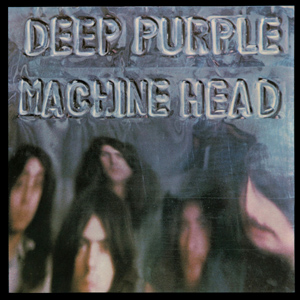
For many Machine Head is the best album of the Mk2 era. An opinion I never really shared. Sure it has Highway Star, Space Trucking, Lazy and - of course - their biggest hit, Smoke on the Water. A strong line-up of songs. But is it really? Let's have a look.
The opener, Highway Star, features a perfectly executed build-up and a machine-precise, driving groove in perfect interplay with vocals, riffing and spot-on neoclassical* soloing. Its a showcase piece of what this band was able to. I think you can't handle the subject matter more elegantly than with with Highway Star. An outstanding piece of music. Pure genius.
Other songs, like Maybe I'm a Leo, Pictures of Home and Never Before tell a different story though. Not that they are bad. They are all very well executed, but they don't excite or offer much memorable. Highway Star is a song that evolved and got perfected on stage, resulting in such a well-composed and exciting piece of music. The trio above, on the contrary, simply feels generic.
Ironically, Never Before was actually the song the band gave the most chances of being a hit single. It consequently has been released as one (with a much more captivating When a Blind Man Cries as B-side) and peaked at - #35 of the UK charts. So much for good judgement. I wonder if that's a sign of the band getting tired already of their Sturm und Drang-sound of In Rock and Fireball.
Smoke on the Water though, I guess I don't have to say too much about that one. Maybe just so much: its a really good song, no doubt. With a very catchy riff obviously. Overplayed? Definitely, Overrated? Maybe a little! Being consistent with their former decision with Never Before, the song was not released as a single. At least not initially. Only after radio stations picked it up, it was eventually released. In May 1973.
The two remaining songs on the original release, Lazy and Space Trucking are a cut above the trio Maybe, Leo and Never, but again not as inspired and captivating as you would expect from such a highly rated album. Lazy is, after a very tasteful keyboard-intro, basically a refined jam-session based a catchy guitar riff. Its really nice to hear the band grooving along. No doubt about that. They are so organic and precise - but that's just not enough to make a great song out of it.
And Space Trucking is in its studio-version maybe a bit too restrained to really take off, which is a pity, since everything seems to be in place: a really catchy riff (played with an Hammond organ via Marshall guitar-amps, actually), silly, catchy vocals and once again their superb rhythm-section. Blackmore has some good moments as well. Now, if that song would been a couple minutes longer, with a bit more experimentation...
So much for the original release on LP. Later versions of the album include When a Blind Man Cries. A song so touching and fragile that it makes me really wonder why it didn't make it on the album initially. Especially, since Machine Head stays well under the 40-minute mark without it. Maybe it didn't fit to their image to have a ballad, who knows. Then again, Fireball had Anyone's Daughter, and having one ballad as a little breather doesn't sounds like such a bad idea to me, if there is so much space for off-the-shelf rock songs on this record.
In the end, Machine Head lives from a couple outstanding songs, with some generous padding by mediocrity. In terms of creativity and excitement it can't reach Fireball, or In Rock, which were daring and have their sparks flying so much more than this record. On the other hand, Machine Head is more focussed and compact and maybe a bit more radio-friendly this way. The sound has also improved quite notably compared to its predecessors, being nicely crisp and transparent.
Overall its still a good album. Maybe not as inspired as it could be, but listening to a band that plays so well together like Deep Purple makes it still a quite enjoyable thing.
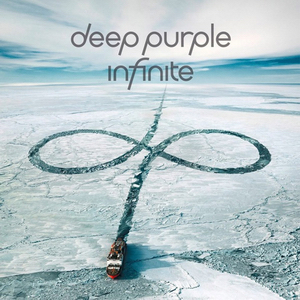
Not many bands can still surprise, or even excite you after they have been around for almost 50 years. When listening to Infinite, Deep Purple's most recent album, I knew for sure: they can.
The album kicks off with Time For Bedlam. Such a dark and irresistibly pressing song, that's on a level with some of their best and most intense material, like Perfect Strangers, Child in Time, or Rapture of the Deep. A vision of brutal suppression and resistance, perfectly crafted, like a Hieronnymus Bosch painting of hell. Ian Gillan's clerical chanting in the beginning, declaring that he is "descending the cold steps of the institution for the political insane - never to be seen again", building up tension, then the rest of the band kicks in and sending the song off with claustrophobic intensity - a textbook example of how to throw its listener right into the action.
May the rest of Infinite be not quite as gloomy and dramatic, it stays quite heavy, with the relaxed and confident playfulness of a band that feels free and fully in its equilibrium. The result are songs which are fresh, witty and flow so naturally and groovy that its simply a pure joy to listen to.
From the light-hearted, and slightly self-deprecating hymn Johnny's Band about the rise and fall and eventual muddling on of a rockband (with a hilarious promo video), to the tender and melancholic The Surprising and stomper like Hip Boots or Get Me Outta Here - Infinite is overboarding with strong performances. There isn't really a song you could call a filler... except the last one: The Doors cover Roadhouse Blues, which is just unnecessary and misses the feel of the original, without adding anything new and relevant to it.
Even with that little lapse, Infinite is one of the band's strongest albums. Like the last couple of releases, it shows that even a band that has been around for so long, still can be inventive and wild and write songs where you keep on discovering something new. Brilliant stuff!
Who knows for how much longer Deep Purple will still be around, but at least, If Infinite is really going to be their last record, then they end their long and spectacular career on a high note.
Deep Purple was never free of conflicts. At least not for long. Strong egos, touring stress, diverging creative ideas and their rocketing success in the early 70s with all its consequences (as in drugs, more touring stress and ever bigger egos) - that's all not really de-escalating factors. Ironically, their most creative (and successful) line-up is at the same time the one which probably was the most tense. Of course we are talking about what is known as Deep Purple Mk.II. Originators of masterful albums like In Rock (1970), Fireball (1971) and Machine Head (1972).
With the (involuntarily) departure of Ian Gillan and Roger Glover on the peak of the band's success in 1973 and Blackmore leaving two years later (frustrated, but voluntarily), Deep Purple went into a steady decline and eventually - in 1976 hit rock bottom and fell apart unceremoniously.
In the years afterwards, each member went on to boldly pursue his own projects he never had time for while being in Deep Purple. Well... not really. Jon Lord and Ian Paice found themselves playing several years together in Whitesnake, the band of Gillan's replacement, David Coverdale, which - at least in Lord's case - was more a vacational arrangement than anything else. Roger Glover eventually joined Ritchie Blackmore's Rainbow in its commercial successful radio-rock, post-Dio-phase. Only Ian Gillan was really doing solo-projects (amongst with losing a lot of money in bad investments).
Anyway, at least in retrospect it seems they couldn't really stay away from each other for too long, doesn't it? So in 1984 their reunion eventually happened. Having big cheques waved at them by their record company certainly helped a bit as well.
But enough of the foreplay. How well does the record actually hold up, I hear you ask? Ok, since you ask me so directly: Its amazing!
The album starts off subtly with a sneaky keyboard-intro before building up to the groovy and relaxed rocker Knocking at Your Back Door. Already at this point you know, this is going to be good. All the ingredients which make Deep Purple what it is are back together in perfect harmony. Those typical Blackmore guitar-riffs and melodies, the unmistakable and elegant keyboard by Jon Lord, always there when you need it, but never pushing itself into the spotlight for the sake of it, the powerful Glover/Paice rhythm engine and those sleazy Gillan vocals (really, listen to those lyrics!) that fit to the sound of the rest of the ensemble so brilliantly that it's hard to imagine anybody else doing the job (well, certainly not Coverdale/Hughes).
For the second track, Under the Gun, the band is shifting up a couple gears. A tense and energetic song that wipes away all remaining doubts whether they still had their fire. With its simple, but superbly effective intro riff (in great symbiosis once again with the keys-section) it storms over you and takes you with it before you figured out what happened. Great song. One of my all-time favourites.
Nobody's Home and Mean Streak are similarly energetic and fast rockers and certainly excellent songs in their own right, but the monumental Perfect Strangers following them just steals the show here. What a song! Heavy and almost gothic in its dark and cold mood. Probably the archetypical Deep Purple song of the 80s and always a highlight played live.
After the moderately-paced epic named Perfect Strangers, A Gypsy's Kiss is picking up the tempo again and rushes through its classical-inspired melodies with breakneck-speed. I always associate it with rushing along a nightly road or through a tunnel. It just has this rushing, tunnel-vision-feel to it. Really captivating.
Wasted Sunsets, on the other hand, is musically the complete opposite. Slow-paced and melancholicly meandering, with some of the most beautiful guitar soloing you might encounter in a long while. So lyrical, so intense and heartbreakingly played. An absolutely brilliant song.
The album finishes (in the LP version) on a bit of a sentimental note with Hungry Daze. A restless rushing through scenes of their busy tour life - the aforementioned hungry days, when they were almost constantly either on the road or recording a new album. A good song with some blistering guitar-work once again.
The final final track is Not Responsible, which stomps along quite nicely but doesn't really goes anywhere. Not a bad song. Certainly not, but in company with all the greats on this record, it falls off a bit. At least it give you some additional four minutes to enjoy this brilliant, perfectly attuned band, before it fades out.
Sound-wise Perfect Strangers picks up on their album Machine Head and does a modernised interpretation on the crisp, cold and almost biting feel it had. This modernisation works really well and at no time like an artificial ahem... "enhancement", of albums like Yes' 90125 with its silly, seemingly randomly thrown in samples. Blackmore allegedly told his band mates to listen to it carefully for inspiration. Good job they paid attention to the right parts. Because you can doesn't means you should do certain things!
The production by Roger Glover on the other hand, who did a lot of Deep Purple-albums over time, is solid, but a bit too muddy. Other albums from around this time are clearer, punchier, so no chance of blaming 80s studio-technology there.
So despite the slight niggle here and there, which is like complaining that in the Himalaya not all mountains are the same, height, my verdict remains. Perfect Strangers is amazing. A spectacular reunion-album with sparks flying left and right and the good old Deep Purple motor firing happily from all its cylinders. As usual with this line-up, the peace didn't last forever (or longer than a couple of months!), but at least we got this wonderful album out of it.
My first contact with Black Sabbath was through a German TV ad in the 90s, which used the song Paranoid for a quite silly recreation of that famous scene in Wayne's World. It wasn't even the original song but a pretty close cover version, which - in retrospect - seems quite fitting: play the pastiche of a cult song in a pastiche of a scene from a cult movie.
Anyway, I started my enquiries (luckily rock and metal is strong in my family) and after I learned song title and artists name, I went to a local record store, bravely ignored the rather stupid cover motive, bought the CD and well, music wasn't the same again after listening through this album for the first time.
While their first album is generally seen as the birth of heavy metal, thanks to their trademark sound* and gloomy subject matter, things really took off with their second album, Paranoid.
Released just months after their debut, you would maybe expect this record being an afterthought, but to the contrary: the amount of power and doom the band unleashes here is just spectacular and literally unheard of. With Paranoid the band definitely found their groove and cranked up the dials to elven!
Lyrically the album moved away from the supernatural/satanic imagery of songs like Black Sabbath or NIB towards a more gritty, real-life perspective, with the danger of the nuclear apocalypse (War Pigs, Electric Funeral), insanity (Paranoid, obviously) and drug addiction (Hand of Doom) being the overarching themes. And the album clearly benefits from this shift. It's songs still speak to us and possess a timeless, intimate quality.
The atmosphere of its lyrics resonates in the music itself: The bluesy-jazzy vibe of its predecessor is almost gone; exposing the bare bones of the bands heavy riffing and drumming. In fact, only the screaming, psycho-esque (you know, that shower scene) high notes in Iommi's soloing are a descendant of his jazz-influences. The result is a more condensed and focused record with no frills. And a pretty bleak one. The perfect soundtrack for the apocalypse and a how-to-guide for generations of upcoming doom bands.
*And lets be fair: neither of the other two big heavy rock bands of the early 70s, Led Zeppelin and Deep Purple, had that an uncompromising sound. So kudos to Sabbath for changing the game.
Ok, this one didn't made it easy for me, but in the end it was quite enjoyable to write this review.
Uli Jon Roth, former lead guitarist with the Scorpions (long ago, back in the day when they were quite progressive and actually cool) has quite the reputation as guitar virtuoso and eccentric (which is quite an achievement for itself in the rock/metal genre), so its wise to expect the unexpected.
I like the basic idea of Under A Dark Sky: A concept album as a commentary on mankind's self-destructive ways, which eventually could lead into a catastrophe. That's always a winner for me.
The result though is a mixed bag. Between the highs of real greatness and the lows of utter kitsch.
To give you an impression: The album begins quite strongly with the track S.O.S., and - true to its subject matter - the sound of air sirens, morse-code and several voices declaring red alert building up a dramatic, film-score-like atmosphere. The voices are getting answered by a choir demanding "save our souls", underlined by a dramatically ascending electric guitar solo, before it falls into a shy, bittersweet melody.
All in all a very captivating start, but sadly a lot of the following material can't keep up and meanders somewhere in the acoustic no-man's land between operatic/musical orchestration and kitschy new-age tunes. With a good measure of virtuoso electric guitar solos thrown into the mix.
The tragedy is that there is certainly no doubt about Roth's skills as a musician. It is all wonderfully arranged and played, with some blisteringly beautiful solos. Same applies to his guest musicians.
It's more that, with all his theatrics, his taste fails him. His musical language is quite specific and the line between effective theatrics and simply kitsch is very thin - too thin for him. It's something I noticed in his other solo-works before: They are always displays of blistering playing technique, but when it comes to making use of it in a dramatic sense, it too often becomes comical instead of captivating.
Lyrically its a similar picture: The mix of English lyrics with German bits and pieces thrown in just feels quite artificial and over the top. It could have worked better if he had used them in more moderate doses. Which brings us back to the main problem of him as a musician: Uli Jon Roth wants too much. He is releasing all stops, puts everything into his music, shoots the moon and - misses.
I think its fair to say that Uli Jon Roth isn't quite on the same page as most of the rock and metal world. That's in theory not a bad thing at all, since most is pretty formulaic and uninspired, but sadly the alternative he brings up can't fully convince either.
This doesn't means the album doesn't has its good sides. It certainly has. In parts it is truly outstanding. It's absolute peak is the last track, Tanz in die Dämmerung (dance into the dusk), a monumental, almost 20 minutes long, epic. Dark and tense, starting slowly with some uneasy intervals played on Spanish guitar, and escalating into a wild frenzy. Mankind's dance into the catastrophe.
It end in sudden silence just when you would expect a resolution. Like a plug being pulled. In fact the songs ends so abruptly that some people thought their CD was damaged. A perfect metaphor of Roth's songwriting: instead of serving the expectations of his listeners, he surprises you with something unexpected. And here, instead of ending in a typical thunderstorm of noise, as so many bands would have done - there is nothing. Just as nothing would be left from us, if the big nuclear catastrophe strikes. A dance on the volcano - and then dead silence.
So despite its obvious weaknesses, I can't really condemn the album. It certainly has its highlights and grows on you with repeated listening. Keep in mind though that, if you expect anything like the Scorpions, get ready for a disappointment. Roth left the band in the late 70's and the music he made since certainly doesn't sounds like them at all. So better go into listening this record without any expectations or preconceptions. Its not going to be an easy, straightforward experience.
It is possible to look at an album like Innuendo without the context of their singer, Freddie Mercury's illness and approaching death? Not for me. It is just shimmering through every song and note.
Queen's last record published in his lifetime is a foreshadowing, moving, theatric in the best sense, and graceful piece of music. Upbeat at time, almost defiantly so, especially in its faster songs, it however can't hide its sadness: the very human struggle with one's own mortality. Here is a singer who, facing the inevitable, literally sings for his life.
Framed by the majestic album-opener Innuendo and concluding with the emotional tour de force The Show Must Go On, the album is a kaleidoscope of tunes, themes and moods - each single one of them is strong, even captivating. There isn't any filler. From straightforward rockers like Headlong and Ride The Wild Wind, to the playful and carnivalesque I'm Going Slightly Mad, to fragile gems like Don't Try So Hard and Bijou - Queen covers such a wide variety with such masterful musicanship.
Innuendo is really Queen at their peak. And when the last note is ringing out and silence creeps upon you, you might feel a little lump in your throat. What a record!
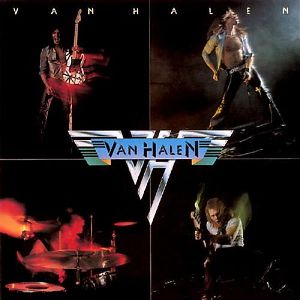
It's probably fair to say that this album started the 80s. At least when it comes to hard rock/heavy metal. Such energetic songs, the top-of-the-line production and, most critically, Eddie van Halen's groundbreaking guitar.
He is often described as the one who brought tapping to the electric guitar, but while its certainly a spectacular technique, I actually rate his characteristic sound (the so-called "brown tone", the blueprint for the 80s-typical high gain) and his masterful use of the instrument in the context of the songs actually as his bigger achievement.
Like Jimi Hendrix ten years before him, van Halen's playing blends rhythm and melody together so naturally, so skilfully that its just sheer exciting joy to hear these songs. So much talent, yet so much tasteful playing for the songs and not for the sake of virtuosity (well, most of the time).
Ain't Talkin' 'bout Love is a perfect example for that. It kicks off with this brilliant riff (its a bit overused maybe, but that's not the riff's fault!), which still sounds modern despite being recorded 40 years ago. Same applies for the Kinks-cover You Really Got Me, which feels like a natural evolution of the original song. After all, the Kinks where amongst the first who experimented with distorted sounds. Namely on this very song, so there is that.
Eruption, on the other hand, is a different animal altogether. I remember when I listened to it for the first time and it sounded so futuristic. Like the guitar turned into a synthesizer in some parts - brilliant!
Of course its pure technique-wanking, lets be straight about that. A highly skilfully played tapping demo and it can't hide its nature, despite being played with a lot of melody and taste. It therefore sounds a little dated today. Tapping is not as revolutionary anymore and shredding became commonplace really. Or - even worse - something like a sport.
Therefore, Eruption feels to me now like a magician's trick when you find out how he did it: the sense of wonder simply has worn off a bit.
This doesn't stops being Van Halen's first from being a outstanding, game changing record and really fun to listen. The duo Eddie Van Halen (guitar, of course) and David Lee Roth (vocals) works together so congenially and turns the album into a damn good party.
Lyrically the album ticks all the boxes of sleazy cock-rock. But you don't listen to Van Halen because you expect something meaningful or even poetic, so don't expect to get it.
All in all, its a spectacular record. Probably one of the best debut albums of all time. Technically and musically it is still brilliant and quite timeless. The only weak spots are the shallow and sleazy lyrics really, but with that Van Halen are in excellent company.
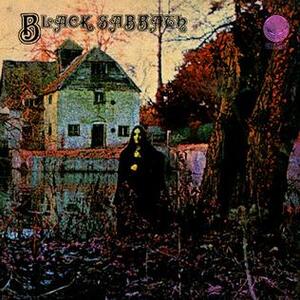
There are barely more genres a single album is said to have originated than Black Sabbath's debut. I'm not going to list them all, but rock music definitely hasn't been the same since. Other bands might have experimented with heaviness in their sound as well, but the sheer amount of rawness and doom the first couple of minutes on this album evoke - for a big part thanks to Ozzy's haunted madman voice that brilliantly complements the instrumental part - were something new and literally unheard of. The band later said that their inspiration for their name and sound were horror films and well, it shows!
Beside all its heaviness - and there is plenty - Black Sabbath eponymous first album album also shows that they didn't fell from the sky as the band they are known as, but evolved into it. There are still some strong bluesy, even distinctively jazzy elements in their playing that were pretty quickly phased out in later songs. Especially in the second, more improvised half with Sleeping Village and The Warning have the feel of a heavy-rock-meets-jazz jam really, which actually works really well.
Another quite distinctive attribute this album has is its raw, unpolished sound, which has almost live-qualities. If we can believe guitarist Toni Iommi, and I do, the album has been recorded on a single day, with very few overdubs. Quite the opposite of what they would do just in a couple years time, where the studio sessions dragged on for weeks, even months.
Like many debut albums, Black Sabbath isn't as perfect and polished as their later work, but shows a band that has opened the gate to a new world. In the coming years they, and after them many other bands would step through this gate and continue upon what this album started.
When I was listening to a Sex Pistols song on the radio the other day, I was utterly unimpressed and wondered for a moment, if there wasn't anything better that came out around that time. In the same moment I realized, it did: Motörhead's debut album!
I must confess that I came relatively late to Motörhead and I completely blame my own ignorance for that. I always thought it was something like a mix of AC/DC meets punk rock - neither of which can excite me. One of the first encounters I had with the band was on the Soundtrack to Hellraiser III (or was it IV?), which didn't really impress me either. Too polished and too off the shelf.
Luckily I gave them another chance, namely with some of their earlier stuff and holy shit, I was so wrong about them! They quickly turned into one of my favourite bands. So much about prejudices, huh?
As you might figure, I like their earlier material most, with No Sleep till Hammersmith being their peak. The sheer raw energy is just astonishing and really outstanding. Their first album, while overall not quite up there yet, shows the band already had together the right ingredients from the outset: lean and fast paced urban rock'n'roll, speed-freak paranoia - and a good dose of dirt, sex and violence. Especially the amazing song quartet Lost Johnny, Iron Horse/Born To Lose, White Line Fever and Keep us on the Road blend these things together perfectly (and they are even in sequence) - for me the absolute highlight of the album.
Yes, there are a couple of fillers, namely on its 2nd half, but it still transports enough energy to keep you entertained. And once it is finished - after a bit more than half an hour runtime - you definitely will crave for more!
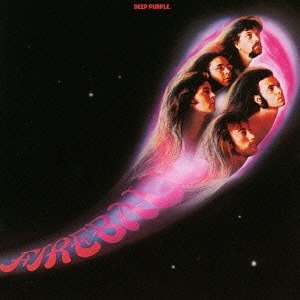
Fireball doesn't have it easy. As follow-up album to In Rock, Deep Purple's immensely successful, all-out-assault on the audience's hearing, it probably met the wrong expectations. Despite its fast namesake opener (and probably one of the very first times in rock history to feature double-bass drumming), it is a much more nuanced and varied affair.
Bluesy rock 'n' roll elements can be found here just as well as progressive spacerock-tunes. Hell, with Anyone's Daughter, even a country-song made it on the record - and it does good there!
If someone expected In Rock II however, that can only end in disappointment. In Fireball you can hear a band that doesn't needs to prove anything, but instead can experiment a little and extending their scope. The driving urge of its predecessor is gone and replaced by confidence and playfulness, without losing any of its heavyness - resulting in a brilliant, if slightly atypical album.
Its a pity that Deep Purple didn't pursue the direction they took with Fireball further. The next album, Machine Head, would become more restraint, and straightforward. Possibly reflecting the growing tensions within the band, which eventually led to their split in 1973 and a long painful road to disbandment a couple years later.
In this context, Fireball gives us a glimpse into the band Deep Purple could have been, if this line-up just had a couple more creative years. Who knows what amazing songs they would have made?
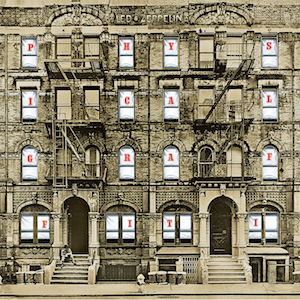
This album could have been so great. Houses of the Holy, Trampled Underfoot and the monumental Kashmir - three songs that alone would have guaranteed Physical Graffiti a masterpiece-status, if that would have been all there was.
Sadly they decided to make a double-LP, which meant that the other, roughly three quarters of the runtime had to be filled as well... somehow.
The result is a at times brilliant and exciting (as aforementioned songs document), at times terribly meandering and aimless record. Great material, like In My Time Of Dying get dragged out and swamped seemingly endlessly without any need. And its not doing the songs a favour really. A lot of the material on Physical Graffiti could have worked in half its run-time and maybe preserved more of its emotional impact in the process.
And that's the tragedy of this album: It shows that Led Zeppelin indeed could have lived up to their own standards with wonderfully crafted songs and their feel for melody and their distinctive inventiveness - just by far not often enough. The album as a whole is just way too rambling and meandering. One could think that half the time they just kept the tape recorder running and jammed along. A pity, since it makes Physical Graffiti feel uninspired and yes, tired.
At least this makes the few good songs in it really stand out:
For many, In Rock is Deep Purple's de-facto debut album, despite the band being already around for a while and having released 3 studio albums and a recording of their Concerto for Group and Orchestra. But by all means, In Rock is the record where they finally got their act together!
Prior to it the band was stuck in a creative limbo somewhere between aping Vanilla-Fudge-style psychedelica and playing with string quartets. You can argue about the former being a good idea or not, but the latter is for itself certainly not a bad thing at all. Alas, the band didn't feel really at home with the music they were making. Its not like their songs of that era were bad. Not at all. Unfocused maybe at times, but played at a high standard of song-writing and musicianship. It was maybe just a bit too cerebral and melodramatic to really grab you.
A change in line-up (Ian Gillan replaced Rod Evans as singer, and Roger Glover took over bass-duties from Nick Simper) brought finally a shift in direction towards the more condensed, no-frills heavy rock-style of In Rock. And indeed it sounds like this is a different band. Sure, you recognize the musicians and their individual styles if you listen closely, but the end result is just so staggeringly different. In Rock is almost brutal in its directness and sheer noise. At the same time its very groovy too, but like heavy machinery running at high speed: with an undeniable urge and density. A captivating, even radical performance that takes you for an exciting flat-out ride, leaving their past works behind in the dust.
This said, the album isn't the most diverse. With the exception of the monumental Child in Time, the songs are pretty straightforward and mostly tend to be either fast and heavy or slow and heavy. Not a bad thing really. It makes in Rock a coherent experience, saturating its listener in sound. The album is one of the earliest, defining moments of hard/heavy rock music; it doesn't has to be all polished or refined. To the contrary: its raw, uncompromising nature is what inspired generations of bands after them to do their own thing.
Listening to it in 2018, In Rock still excites me. Yes, you can hear its age. It sounds very late 60s, early 70s, but looking at how many bands are trying to emulate a retro-sound and look, that's not really a bad thing. And the album still excites. The sheer energy and playfulness of the band is just as present as when In Rock came out.

:format(jpeg):mode_rgb():quality(90)/discogs-images/R-3854515-1346996928-8961.jpeg.jpg)
:format(jpeg):mode_rgb():quality(90)/discogs-images/R-6018026-1519169212-8308.jpeg.jpg)
:format(jpeg):mode_rgb():quality(90)/discogs-images/R-7397750-1440622968-7258.jpeg.jpg)
:format(jpeg):mode_rgb():quality(90)/discogs-images/R-1078119-1363026815-2573.jpeg.jpg)

:format(jpeg):mode_rgb():quality(90)/discogs-images/R-11125520-1510331047-9932.jpeg.jpg)
:format(jpeg):mode_rgb():quality(90)/discogs-images/R-382748-1309701839.jpeg.jpg)

:format(jpeg):mode_rgb():quality(90)/discogs-images/R-6251072-1542260448-5628.jpeg.jpg)

:format(jpeg):mode_rgb():quality(90)/discogs-images/R-367251-1175935223.jpeg.jpg)


_front_cover.jpg)
.jpg)


.jpg)